
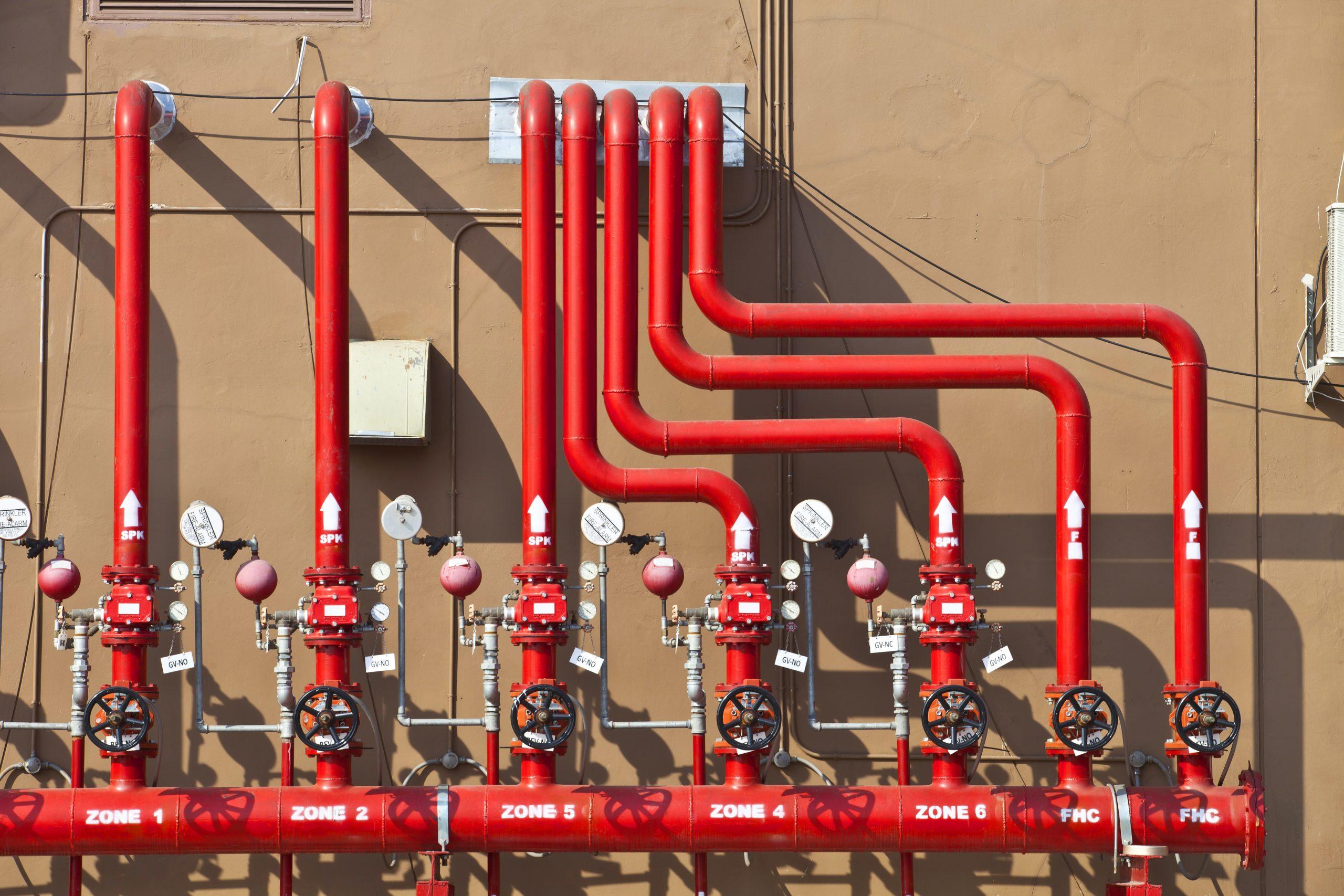
Sprinkler design and fire suppression engineering depend on the building use, water supply, hazard classification and applicable installation requirements. The appointment identifies the engineer’s design responsibilities and coordination with the sprinkler contractor and other project professionals.
What belongs in the design brief?
Describe the building use, proposed work and available water-supply information. Identify whether the assignment concerns a new system, an extension, a tenant improvement or an assessment of existing protection. Provide details of storage and operations that may affect the design assumptions.
NFPA 13 addresses sprinkler-system design, installation and acceptance testing. The applicable edition and any local modifications must be determined from the governing requirements. The governing code and project requirements establish the referenced edition.
Questions to resolve before procurement
- Who is responsible for the engineering design and any required authentication?
- Who prepares hydraulic calculations and installation or shop drawings?
- Who obtains and assesses water-supply information?
- Who reviews interfaces with architecture, structure, fire alarms and other systems?
- Which permits, field reviews, tests and completion documents are required?
- Who assesses changes introduced during construction?
Existing systems need a documented basis
A renovation can change the conditions an existing system was designed to protect. NFPA’s guidance on modifications addresses assessment of changes to an existing system and its design conditions.
Storage arrangements can materially affect sprinkler design in a warehouse. In an office fit-out, ceilings and partitions may affect coverage and coordination. The review uses the proposed conditions and available original design information.
Engineering scope and maintenance responsibilities
A fire protection system review can identify questions needing specialist design work, but it should not be described as a complete sprinkler design unless that work is included. Routine inspection and maintenance records also do not, by themselves, demonstrate suitability for a newly proposed use.
The written scope identifies responsibility for design, calculations, drawings, field review and completion documentation. Noven’s work on the Shri Guru Ravidass Temple included sprinkler-system design alongside building code consulting and alternative solutions.
Handover documentation
Keep the design basis, reviewed drawings, changes, test records and operating information together. Where the sprinkler system interfaces with other fire and life-safety systems, coordinate the integrated testing scope. Contact Noven to discuss the code and system-review aspects of your project and establish the engineering services required.
Noven’s services
For related project support, see our Fire Protection System Review. Request a proposal for your project.
Related Insights
- Fire Protection System Review: From Design Intent to Closeout
- CAN/ULC-S1001 Testing: Coordinator and Owner Readiness Checklist
Technical references
- NFPA 13: Standard for the Installation of Sprinkler Systems
- NFPA: modifications to existing sprinkler systems
References reviewed October 23, 2026. Project requirements depend on the applicable code edition, jurisdiction and scope of work.