
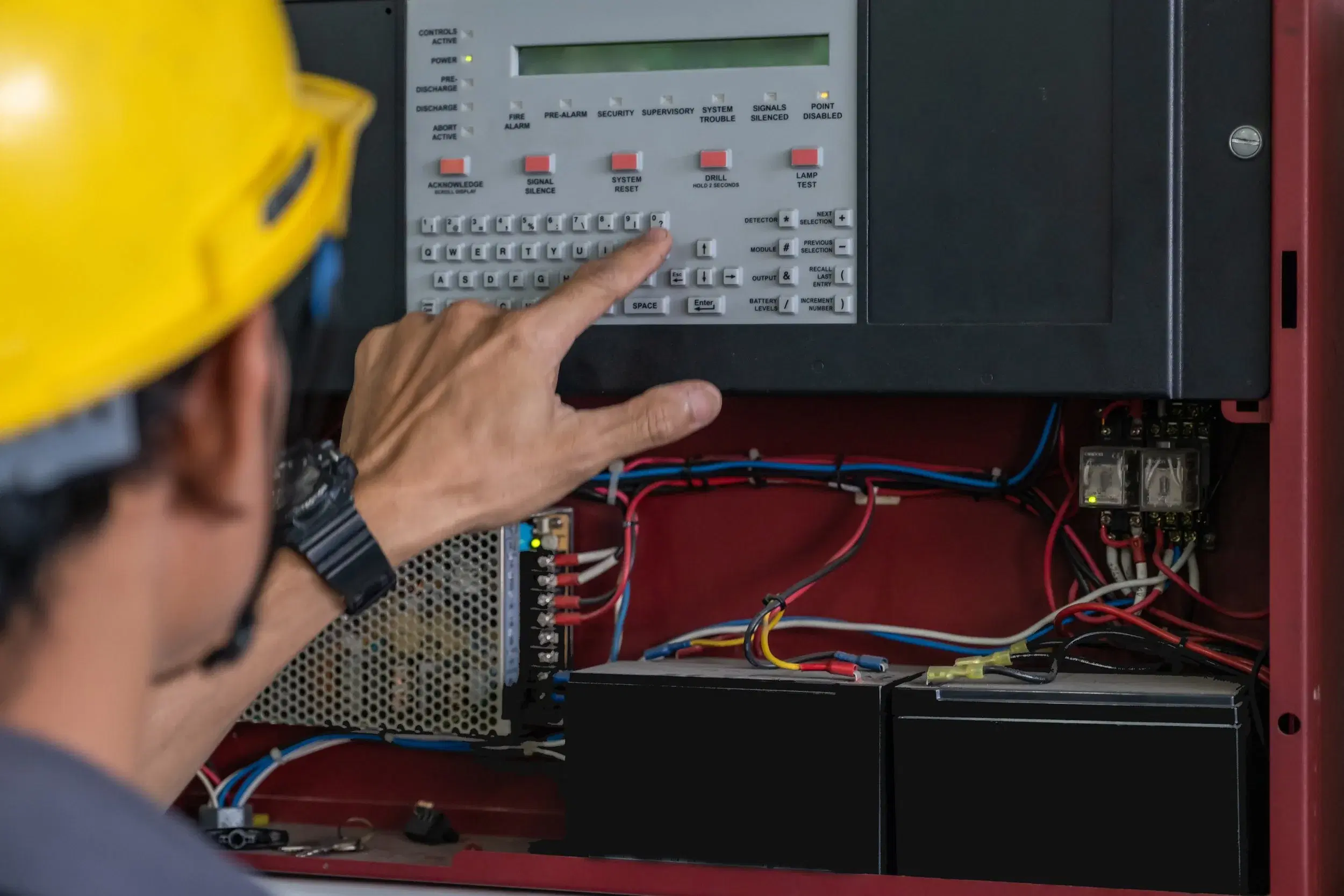
CAN/ULC-S1001 integrated systems testing examines whether connected fire protection and life safety systems work together as intended. A fire alarm verification, sprinkler acceptance test or equipment start-up does not, by itself, demonstrate every required interaction between systems. This distinction matters when planning occupancy, renovations and ongoing building operations.
What does integrated testing demonstrate?
A building may rely on one event producing several coordinated responses. Depending on its design, an alarm signal could be associated with door releases, ventilation changes, elevator functions or emergency-power interfaces. Integrated testing follows the project’s documented sequences and verifies the applicable relationships. It is not a substitute for correcting an incomplete design or for the individual inspections and tests required for each system.
Preparation includes confirmation of system interfaces, completion of prerequisite work and appointment of the parties responsible for testing and reporting.
Applicable codes and testing requirements
British Columbia is Noven’s primary market, but the code basis must still be established for the particular building. Confirm whether the BC Building Code, Vancouver Building By-law or another regulatory framework applies, together with the relevant fire code, adopted edition of CAN/ULC-S1001 and permit conditions. The adopted edition and permit conditions establish the project requirements.
For projects elsewhere in Canada, the applicable provincial or territorial requirements determine the testing and professional roles.
Who coordinates the work in BC?
EGBC’s January 2024 practice advisory identifies the integrated testing coordinator as an appropriately qualified registered professional. It also addresses the engineering coordinating registered professional’s responsibility for coordinating and integrating functional testing. A separately appointed testing coordinator can support the CRP, who retains the coordination responsibilities described in the advisory.
The advisory distinguishes the coordinator from the people performing individual tests. Those tasks may involve contractors, technicians and other specialists, with the professional oversight appropriate to the work. ULC’s testing certification program provides a separate qualification framework, considered alongside the contract and jurisdictional requirements.
Initial testing, alterations and ongoing operation
Determine the required testing and closeout stage early in a new-building project. For an alteration, assess how the work affects existing fire and life-safety interfaces instead of assuming either that every system must be retested or that an unchanged system is automatically outside the scope. Owners of existing buildings should confirm the ongoing requirements and testing schedule applicable to their building with the responsible professionals and fire authority.
Test reports and building records
A useful closeout record connects the approved design intent to what was actually tested. Keep the applicable plan, system information, results, unresolved items, corrective work and retest evidence together. Record the scope and limitations so future teams can understand which interfaces were demonstrated and which conditions require further work.
Before testing, the coordinator confirms completion of prerequisite system tests, attendance of the required specialists and procedures for safely simulating each test condition. Noven’s Nelson Towers and 365 East 2nd Street assignments included integrated systems testing.
Noven’s services
Learn about Noven’s CAN/ULC-S1001 Integrated Systems Testing services. For practical preparation, use our coordinator and owner readiness checklist, or request a proposal with the project location, stage and relevant system drawings.
Technical references
- EGBC: Integrated Systems Testing practice advisory, v1.0 (2024)
- UL Solutions: Integrated Systems Testing Program
- BC Building Code 2024: application and updates
Revised October 23, 2026. Project requirements depend on the applicable code edition, jurisdiction and scope of work.