
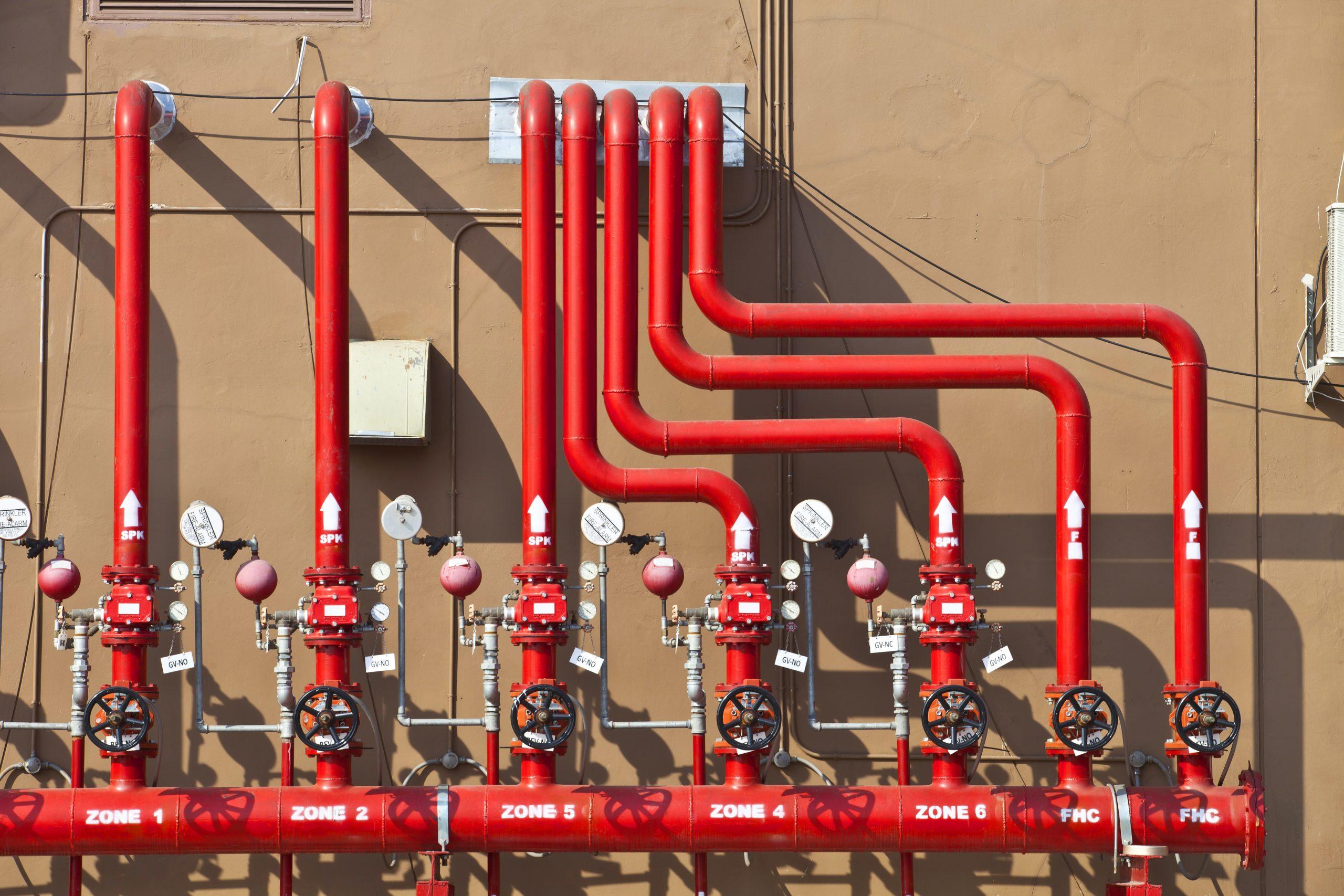
Fire protection engineering brings together the building’s fire-safety objectives, code requirements and technical evidence. The services may include code analysis, specialist design, modelling, construction review and testing, depending on the building and assignment.
The building fire safety strategy
The strategy should explain how the proposed building addresses the relevant hazards and life-safety requirements. Depending on the project, the work may involve code analysis, fire separations, egress, system interfaces, alternative solutions or specialist modelling. The scope should reflect the project’s actual questions.
EGBC’s Fire Protection Engineering Services for Building Projects guidelines describe professional roles and expectations in BC. They are a useful basis for discussing the assignment and its relationship to other registered professionals. The project proposal identifies the specialist services included in the appointment.
Match the question to the service
- Early feasibility: identify code constraints before the design is fixed.
- Unusual design conditions: determine whether an alternative solution and supporting analysis are appropriate.
- Construction coordination: review relevant details, changes and assigned field-review items.
- System interfaces: establish design intent and coordinate integrated testing.
- Existing buildings: assess a defined operational, alteration or compliance concern.
Coordination between disciplines
Create a matrix listing the technical issue, responsible designer, reviewer, contractor input and completion evidence. This is particularly helpful where architectural, structural, mechanical and electrical work intersects.
A smoke-control strategy may depend on the building arrangement, mechanical equipment, electrical controls and operating sequence. Coordination records identify the professional responsible for each design input and interface.
What should a proposal explain?
Look for defined deliverables, review stages, assumptions, exclusions and responsibilities for changes. State whether authority discussions, site visits, alternative-solution submissions or testing are included. These details establish the work to be delivered and the information required from other project participants.
Where professional assurance documents are required, establish the roles and supporting information early. The applicable BC Letters of Assurance guidance helps clarify responsibilities; other Canadian jurisdictions use their own requirements.
BC focus with a Canada-wide approach
Noven’s primary market is British Columbia, and the firm supports projects across Canada. Each engagement should establish the local code basis, professional requirements and authority expectations. The scope and professional appointments follow the requirements of the project jurisdiction.
Noven’s services
For related project support, see our Fire Protection System Review. Request a proposal for your project.
Related Insights
- Building Code Consulting: What to Resolve Before Design Is Fixed
- Fire Protection System Review: From Design Intent to Closeout
- Sprinkler Design Engineer: Scoping Fire Suppression Work
Technical references
- EGBC: Fire Protection Engineering Services for Building Projects, v2.0 (2021)
- BC: Guide to Letters of Assurance, BCBC 2024 and VBBL 2025
References reviewed October 23, 2026. Project requirements depend on the applicable code edition, jurisdiction and scope of work.